

Adult Female ADHD Symptoms
ADHD in childhood is characterized by impulsivity and hyperactivity that can lead to academic and behavioral issues. It's a chronic condition but children often outgrow their symptoms.
In adulthood, the symptom of inattention persists and can cause problems with work or school. These symptoms can be triggered or worsened by hormonal fluctuations during menstrual periods or during pregnancy, or menopausal.
Inattentive Signs
Adults may find the symptoms of inattentive ADHD difficult. They can hinder relationships, work productivity, and school performance. You could be easily distracted, lose things often or have difficulty following instructions. You might miss appointments or business meetings or leave tasks unfinished. Your home or office might be cluttered and you might have difficulty remembering important information about things that happen in your life. You might find it hard to be attentive to others and may have what's known as the thousand-yard stare, where you stare at people but do not hear them.
Adults who suffer from inattention ADHD may also have difficulty with their memory, especially during times of hormonal changes such as pregnancy, menstrual cycles as well as perimenopausal and menopausal changes. This can be particularly difficult for women who find that their symptoms are exacerbated due to these changes.
If you suffer from inattention ADHD, you can often improve your life by being able to recognize and manage your symptoms. It is important to establish realistic goals for yourself and plan ahead. You can use apps for reminders, planners and post-it note to keep on top of deadlines or appointments. Try breaking large projects into smaller tasks and tackle them one at a. Make sure to take regular breaks and move around to refocus.
You may also request your school or employer for accommodations that could help you manage your symptoms, such as permitting you to work from home, offering you extra time on assignments or tests, or providing notetaking assistance during meetings. Many organizations have policies that require them to offer accommodations for those with disabilities, such as ADHD.
Women who suffer from ADHD may feel annoyed or angry when they don't receive a diagnosis. They may blame themselves for their difficulties or believe that they were dismissed by medical professionals or family and family members. Many feel sadness and loss over the missed opportunities and strained relationships due to the fact that they did not receive treatment for their disorder.
According to research, women and girls who suffer from inattention ADHD are not diagnosed as often to men and boys. This is due to the fact that their symptoms can be difficult to recognize. They can appear similar to mood disorders or anxiety and can cause clinicians to misdiagnose the condition. They may also develop more effective coping mechanisms than men, which may mask the root cause of ADHD symptoms.
Hyperactive Signs and symptoms
In women and girls, hyperactive ADHD symptoms may appear as a sense of agitation or difficulty sitting still. They may be fidgety, noisy, or have difficulty focusing in class or at work. Girls may also be prone to mood swings and have difficulty controlling their emotions. They are often challenged to meet the expectations of society regarding a woman's behavior which can cause feelings of inadequacy and constant stress.
Although the symptoms of female ADHD are different than those of male ADHD, the condition remains a chronic disorder. Only 30 percent of adults are believed to outgrow ADHD. Women are less likely than men to achieve this. If you have a diagnosis of adult ADHD, your symptoms might worsen as you age and undergo hormonal changes.
For instance, you may notice that your ADHD symptoms are more severe during puberty, at or around the menstrual cycle, and also in menopausal perimenopause, which is the period before menopausal full-on. You might notice that you are making more mistakes, having difficulty managing deadlines and assignments, or forgetting appointments.
If you have the inattentive-type of ADHD, your symptoms might also intensify during perimenopause and menopause. This is because estrogen levels decrease around ovulation, and in the middle of your menstrual cycle. This can cause an increase in ADHD symptoms. It's possible that these fluctuations explain why many women do not receive an ADHD diagnosis as children and instead go undiagnosed as adults.
In the initial diagnosis process, doctors use a mix of rating scales, interviews and other methods to determine if you suffer from ADHD. It is also crucial to take note of how you react to and interpret your symptoms. For instance, women and girls may camouflage or hide their ADHD symptoms to avoid being judged, which could lead them to be misdiagnosed as having anxiety or a mood disorder. Men and boys are more likely than women to be diagnosed with ADHD due to their disruptive behavior. This is the reason why a lot of the original ADHD studies were conducted on men and boys who were hyperactive.
The symptoms of an impulse
Having ADHD can make it hard to stop impulsive behavior like hitting your fist against the wall or picking things off the floor. It also makes it harder to think before you act, which can lead to trouble at school or work where you might be expected to follow instructions or complete tasks with no interruptions.
As you grow into adulthood, the problems with impulse control, ability to plan and organise become more internalized and less obvious than they were when you were a child. Hyperactivity that is obvious could develop into a feeling of inner restlessness, and periods of being organized could be accompanied by a propensity for procrastination or feeling overwhelmed.
Research suggests that women tend to hide their ADHD symptoms more effectively than boys or men. This is partly because it is viewed as more acceptable in the social context for boys and men to exhibit ADHD-related behavior particularly impulsive or hyperactive symptoms. This could be due to gender stereotypes, such as the idea boys are more impulsive than girls, and less organized. This can encourage a girl to hide her ADHD symptoms to fit in with.
adhd symptoms women that happen during menstrual cycles or pregnancy can also cause ADHD symptoms in females. This is because estrogen decreases during ovulation and falls even further during the start of menstruation and causes symptoms to increase. This is why it's essential for women and girls suffering from ADHD to be assessed by a health care provider or mental health professional if they're experiencing these symptoms.
If you're struggling with ADHD it is possible to control your symptoms. A combination of medication, therapy and lifestyle modifications can help. Regular exercise is an excellent way to boost your mood and release neurotransmitters that increase concentration and attention levels as well as energy levels. Try to do some aerobics, sports, or cardio exercises at your gym at home or in a local one.
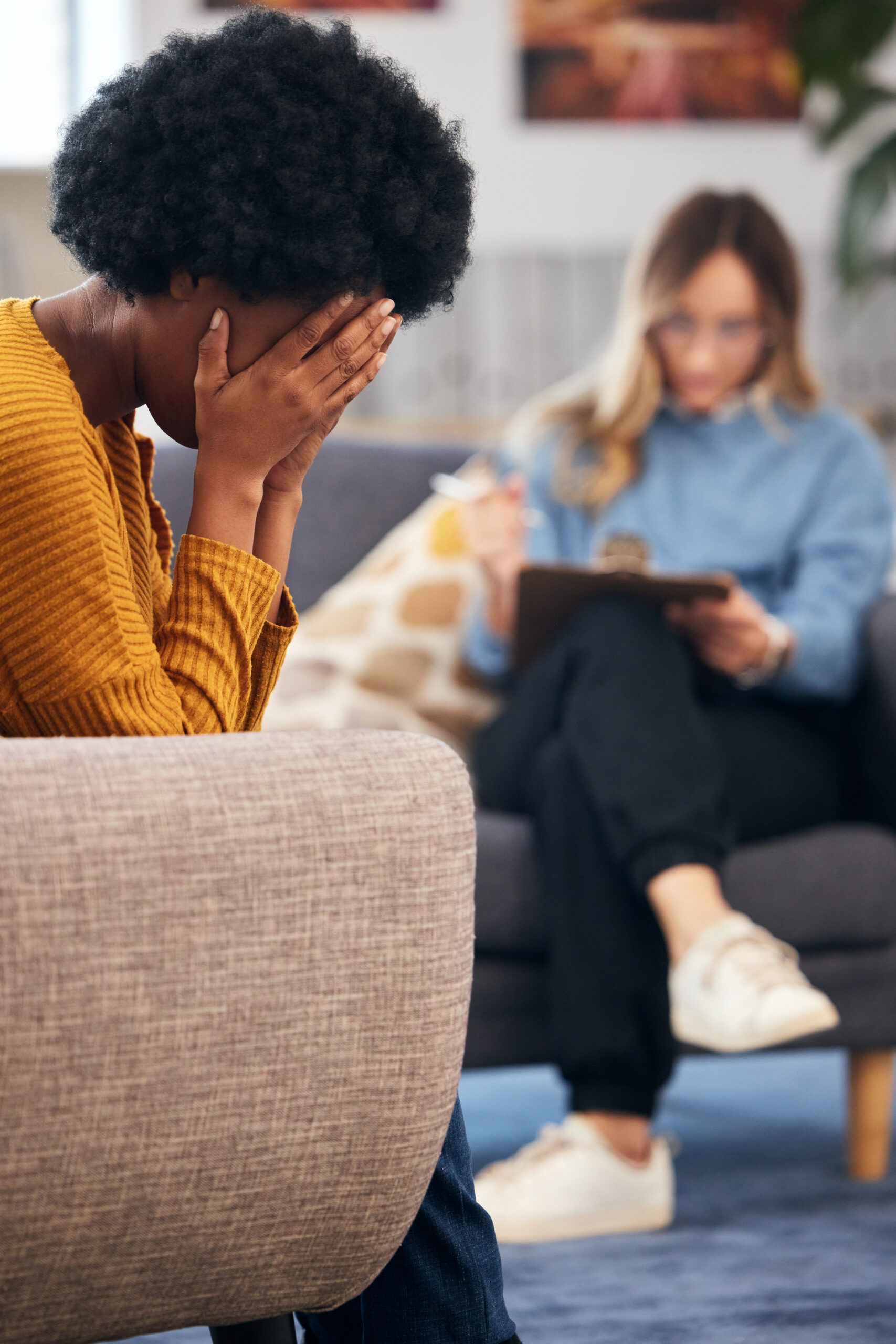
Getting enough sleep is also crucial. A restful night can reduce fatigue, which is often an indication of ADHD. Finally, it's vital to eat well and try to avoid foods that can trigger ADHD symptoms in you.
Internalizing Symptoms
Women who suffer from ADHD can experience unique difficulties across the different facets of their lives. They are more likely to experience the inattentive symptoms and can develop coping strategies such as internalization. This can lead to poor self-esteem and negative body image. Because of this, it's especially important to be diagnosed and receive treatment as they grow older. For many, receiving the diagnosis could be a turning point that provides a rationale for the difficulties they've faced and giving them the chance to accept themselves more fully (Waite 2010).
The severity of symptoms can vary according to the hormone levels. The symptoms can improve during ovulation or pregnancy and can worsen as you approaching menopausal. Women may find it difficult to maintain relationships and perform daily tasks during this time. This can lead to feelings of discontent.
Insanity and forgetfulness can affect relationships. Inattention to birthdays, incomplete projects or not paying bills on time can make people feel like you're not interested, leading to conflict between people. People with ADHD are often highly sensitive to rejection and have a difficult time managing their emotions. This can lead to intense reactions even to perceived rejection or failure.
Due to an impulsive nature, a desire to belong and to be loved, girls and women with ADHD may develop sexually active earlier than their peers. They are more likely to become victims of abuse from intimate partners and STIs because they don't insist on their partners using protection. They are also more likely to suffer from anxiety or depression co-occurring with it and may have a tough to maintain friendships.
While more research is required to better understand the effects of ADHD on the different genders, it's evident that women are more likely to go undiagnosed and have a different experience with the disorder. It is possible to receive an diagnosis and receive treatment that can improve your relationships and allow you to succeed at work or in school. Alongside medication the doctor may also recommend therapy like cognitive behavior therapy, which can help you learn to manage your thoughts and emotions while swapping out negative thinking patterns for better ones.